In a world drowning in plastic, sustainable packaging solutions are like a lifebuoy tossed to a shipwrecked sailor. Companies are realizing that eco-friendly packaging isn’t just a trend; it’s a necessity. Imagine a future where your favorite snacks come in biodegradable wrappers instead of the usual plastic that seems to outlive dinosaurs. Sounds dreamy, right?
As consumers become more eco-conscious, businesses are stepping up their game. They’re swapping out traditional packaging for innovative materials that are both kind to the planet and pleasing to the eye. From compostable containers to reusable bags, sustainable packaging is not only good for Mother Earth but also a great way to win customers’ hearts. So let’s dive into the world of sustainable packaging solutions and discover how they’re transforming the way products reach our hands—without leaving a heavy footprint behind.
Overview of Sustainable Packaging Solutions
Sustainable packaging solutions address the urgent need for environmentally friendly alternatives to conventional packaging. Businesses are implementing materials like biodegradable plastics, paper alternatives, and plant-based films. These materials break down more efficiently, reducing landfill contributions.
Recyclable options also play a crucial role in sustainability. Many companies utilize cardboard, glass, and metals that can undergo multiple recycling processes. This approach not only diminishes waste but also conserves resources such as energy and water.
Compostable packaging represents another innovative approach. It integrates organic materials, allowing products to decompose naturally in composting facilities. Consumers are increasingly favoring these solutions because they align with their eco-conscious values.
Adopting these sustainable practices offers companies competitive advantages. Research indicates that over 60% of consumers are willing to pay more for brands committed to sustainability. This financial incentive encourages businesses to explore eco-friendly solutions, fostering loyalty among customers.
Investing in sustainable packaging solutions leads to less environmental harm. By reducing plastic waste, companies contribute to healthier ecosystems and promote biodiversity. As the market evolves, new technologies are emerging, enabling brands to enhance their packaging sustainability continuously.
Sustainable packaging solutions embody a significant shift in consumer behavior and corporate responsibility. Brands focusing on these innovations not only reduce their carbon footprint but also create compelling narratives that resonate with environmentally aware shoppers.
Benefits of Sustainable Packaging
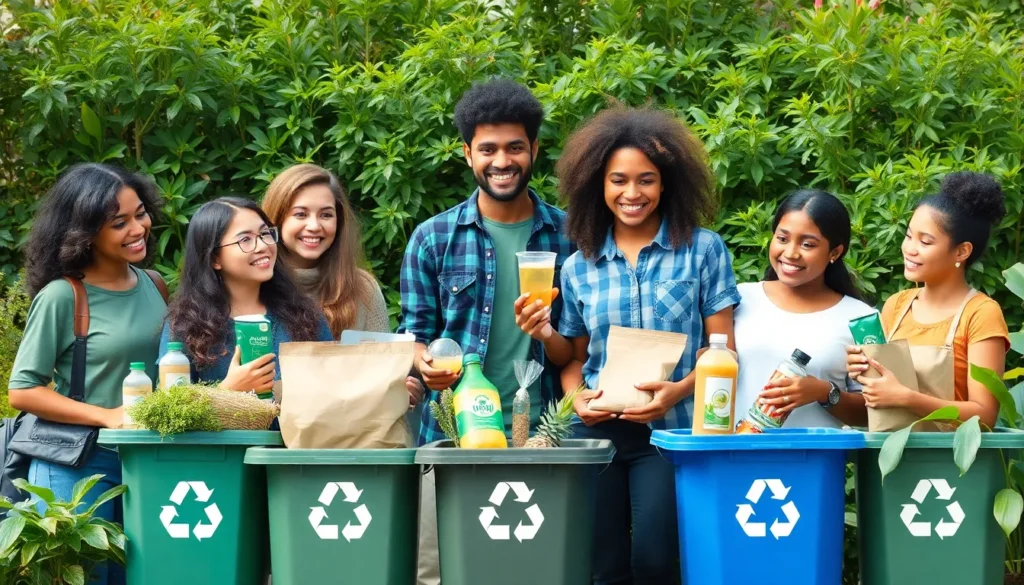
Sustainable packaging offers numerous benefits in today’s eco-conscious market. Companies adopting eco-friendly solutions gain a competitive edge and contribute positively to the environment.
Environmental Impact
Sustainable packaging significantly reduces landfill waste. Biodegradable alternatives decompose more efficiently than traditional plastics, lessening overall waste accumulation. Using recyclable materials, like cardboard and glass, conserves natural resources and decreases energy consumption during production. The shift to compostable packaging materials enhances soil health and supports a circular economy. As environmental awareness rises, companies committed to these practices attract consumers focused on sustainability.
Economic Advantages
Investing in sustainable packaging can reduce costs over time. Many companies report lower waste disposal expenses by minimizing non-recyclable materials. Research indicates over 60% of consumers prefer brands that prioritize eco-friendly options, creating potential for increased sales. Sustainable practices can improve brand loyalty, leading to repeat purchases and customer retention. As innovations continue to emerge in sustainable materials, the potential for long-term cost savings and enhanced profitability grows within the industry.
Types of Sustainable Packaging Materials
Sustainable packaging solutions come in various forms, and each plays a distinct role in reducing environmental impact.
Biodegradable Options
Biodegradable materials decompose naturally over time, significantly reducing landfill contributions. These materials, often made from natural sources like corn starch, wheat, or potato waste, break down through microbial activity. Compostable packaging is a popular type of biodegradable option; it disintegrates completely within specific conditions, returning nutrients to the soil. Companies utilizing biodegradable solutions tend to attract environmentally conscious consumers, showcasing their commitment to eco-friendliness. Popular items include biodegradable films and bags that serve as effective alternatives to traditional plastic. As innovation in this area grows, more biodegradable options will likely surface, further enhancing sustainability efforts in packaging.
Recyclable Materials
Recyclable materials align with efforts to minimize waste and conserve resources. Cardboard stands out as a widely accepted recyclable option, often used in shipping and retail packaging. Both glass and metals also hold significant value; they can undergo multiple recycling cycles without degrading quality. Using these materials reduces the demand for new resources, leading to energy savings. Many companies now prefer using recyclable materials, promoting a circular economy. By switching to these options, brands not only support sustainability but also appeal to a growing consumer base keen on eco-conscious practices. Enhanced recycling initiatives will drive further adoption of recyclable packaging solutions across various industries.
Innovations in Sustainable Packaging
Innovations in sustainable packaging are transforming the industry. Cutting-edge technologies and eco-friendly processes enhance both efficiency and environmental responsibility.
Smart Packaging Technologies
Smart packaging technologies elevate functionality in sustainable packaging. These innovations incorporate sensors and QR codes, allowing real-time tracking and enhanced consumer engagement. Emerging trends, such as active packaging, extend product shelf life while maintaining quality. These technologies resonate with tech-savvy consumers, providing transparency and promoting sustainability. They often integrate biodegradable materials, ensuring their environmental impact remains minimal. Brands adopting smart packaging solutions are appealing to customers’ desire for smarter, greener choices.
Eco-Friendly Manufacturing Processes
Eco-friendly manufacturing processes significantly reduce carbon footprints and waste. Many companies utilize renewable energy sources like solar and wind to power production lines. Water-efficient systems minimize water usage, offering substantial conservation benefits. Manufacturers focusing on organic materials and non-toxic chemicals ensure safer products. This approach enhances brand appeal, attracting environmentally conscious consumers. By implementing life cycle assessments, companies optimize resource management and identify areas for improvement. Such practices not only bolster sustainability but also align with growing consumer demand for responsible production.
Challenges in Implementing Sustainable Packaging
Implementing sustainable packaging presents notable challenges for companies striving to adopt eco-friendly practices.
Cost Considerations
High initial costs can deter businesses from transitioning to sustainable packaging solutions. Many eco-friendly materials, such as biodegradable plastics and plant-based films, often come at a premium compared to traditional options. Although long-term savings and consumer loyalty can offset these expenses, many companies hesitate to invest upfront. With over 60% of consumers showing willingness to pay more for sustainable brands, prioritizing these costs can strategically position businesses favorably in a competitive market. Organizations must assess their budgets while weighing potential economic benefits against environmental responsibilities.
Consumer Awareness
Limited consumer awareness poses a significant challenge in promoting sustainable packaging. Not all shoppers recognize the environmental implications associated with various packaging materials. Many companies may find it necessary to educate consumers about the benefits of choosing eco-friendly alternatives. Engaging marketing campaigns can highlight the advantages of sustainable options and foster informed purchasing decisions. As public interest in sustainability grows, companies that effectively communicate their commitment to eco-friendly practices can enhance brand loyalty and attract conscientious consumers. Businesses should prioritize transparency and education to respond to the rising demand for responsible packaging solutions.
The shift toward sustainable packaging solutions is not just a trend but a necessary evolution in business practices. Companies embracing eco-friendly materials and processes are positioning themselves as leaders in a market increasingly driven by consumer demand for sustainability.
By investing in biodegradable options and recyclable materials, businesses can significantly reduce their environmental impact while attracting a loyal customer base. As the industry continues to innovate, the potential for profitability and long-term success grows.
Sustainable packaging is more than a responsibility; it’s an opportunity for brands to thrive in a conscientious marketplace. Adopting these practices not only benefits the planet but also enhances brand reputation and fosters deeper connections with consumers.