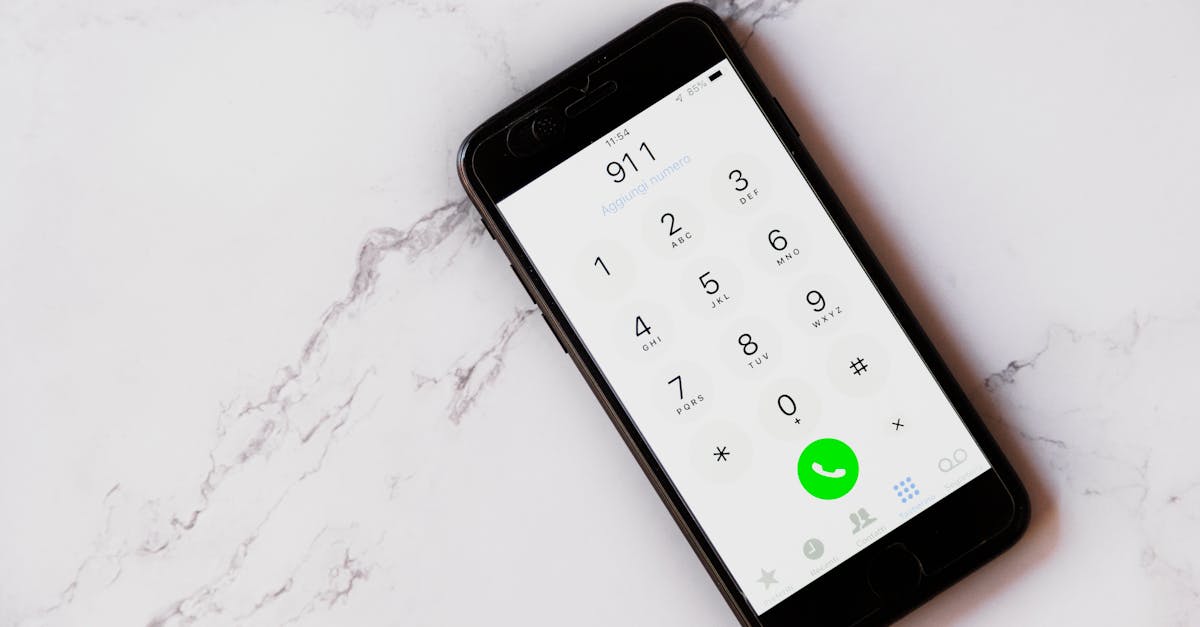
In a world where emergencies can strike faster than a cat video goes viral, knowing how to SOS on an iPhone could be your ticket to safety. Picture this: you’re hiking in the wilderness, and suddenly, your phone’s battery starts playing hide and seek. Panic sets in, but wait! With a few quick taps, you can summon help faster than your friends can find the nearest pizza joint.
Table of Contents
ToggleUnderstanding SOS Features on iPhone
SOS on iPhone serves as a crucial safety tool, enabling users to summon help in emergency situations. Knowing how to access these features can be lifesaving.
What is SOS on iPhone?
SOS on iPhone represents a quick method to reach emergency services. Users can activate this feature by pressing the side button and a volume button simultaneously. A countdown appears, allowing the user to cancel the call if needed. Once activated, the device automatically dials local emergency numbers. The SOS feature also allows users to notify designated emergency contacts and share their location, enhancing overall safety during a crisis.
Importance of Using SOS Features
Using SOS features on an iPhone significantly boosts personal safety. Immediate access to emergency services can reduce response times in critical situations, such as medical emergencies or accidents. This feature not only provides a direct line to help but also alerts trusted contacts, keeping loved ones informed. Recognizing how to utilize SOS features empowers individuals to act swiftly, fostering confidence in navigating urgent circumstances. Ultimately, these functionalities contribute to a more secure experience for iPhone users.
Activating SOS on iPhone
Activating SOS on an iPhone equips users with a reliable way to request help during emergencies. Understanding the different methods available makes this feature even more effective.
Using the Side Button
Pressing the side button alongside a volume button activates the SOS feature. The device initiates a countdown, giving users a brief moment to cancel if the call was accidental. Holding these buttons for several seconds automatically contacts local emergency services. Users should note that emergency services may vary by region, so familiarity with local emergency numbers is beneficial. Hearing the siren indicates that the call has been placed successfully.
Using Emergency Contacts
When SOS is activated, designated emergency contacts receive notifications automatically. This feature ensures that loved ones are informed during emergencies. Users can set these contacts in the Health app for quick access. Sharing location details with emergency contacts aids in timely assistance. Updating emergency contact information regularly keeps it relevant and useful, enhancing safety in critical moments.
Customizing Your SOS Settings
Customizing SOS settings enhances the feature’s effectiveness during emergencies. Users can add critical emergency contacts to ensure that trusted individuals receive alerts.
Adding Emergency Contacts
To add contacts, open the Health app and navigate to the Medical ID tab. Tap “Edit” and scroll to “Emergency Contacts.” Users can select individuals from their contacts list. Choosing the right contacts is essential. Prioritize individuals who can respond quickly or provide assistance in a crisis. After selecting contacts, saving changes ensures they’re included in emergency notifications. Regularly updating this list keeps it current and relevant.
Modifying SOS Settings
Modifying SOS settings allows users to tailor the feature to their needs. Access the Settings app and scroll to “Emergency SOS.” Users can toggle the auto-call feature, which dials emergency services automatically after a countdown. Adjust the countdown duration depending on personal preference. Furthermore, users can enable or disable alerts for emergency contacts. This flexibility empowers users to use the SOS feature in a manner that best suits their circumstances. Consistent review of these settings supports preparedness for any situation that may arise.
Troubleshooting Common Issues
Understanding common issues with the SOS feature can enhance its effectiveness. Users might face challenges activating SOS on their iPhone.
Issues Activating SOS
Failure to activate SOS often results from incorrect button usage. Pressing the side button and volume button simultaneously requires precision. Notably, a brief hold activates the emergency call, not just a quick press. Additionally, checking for any software updates may resolve interface glitches affecting activation. Restarting the device could also fix minor system issues, ensuring smooth functionality.
Not Receiving Emergency Alerts
Users sometimes experience problems receiving emergency alerts through SOS. Issues may stem from location settings not enabled properly. Turning on location services ensures alerts reach the user in time. Furthermore, examining notification settings within the device’s configuration might reveal muted alerts. Privacy settings can also prevent messages from displaying. Keeping the device updated with the latest software enhances alert functionalities, ensuring timely notifications during emergencies. Regularly testing these settings equips users to remain prepared.
Mastering the SOS feature on an iPhone is essential for personal safety. By understanding how to activate it and customizing settings, users can ensure they’re prepared for emergencies. Regularly updating emergency contacts in the Health app and testing the feature helps maintain its effectiveness.
In a crisis, being able to quickly summon help can make a significant difference. With just a few taps, individuals can connect with emergency services and notify loved ones, enhancing their safety. By prioritizing these steps, users can navigate challenging situations with confidence and peace of mind.